Cheetah
Acinonyx jubatus
The fastest land mammal on Earth, built for explosive savanna sprints
Quick Read
FelidaeOverview
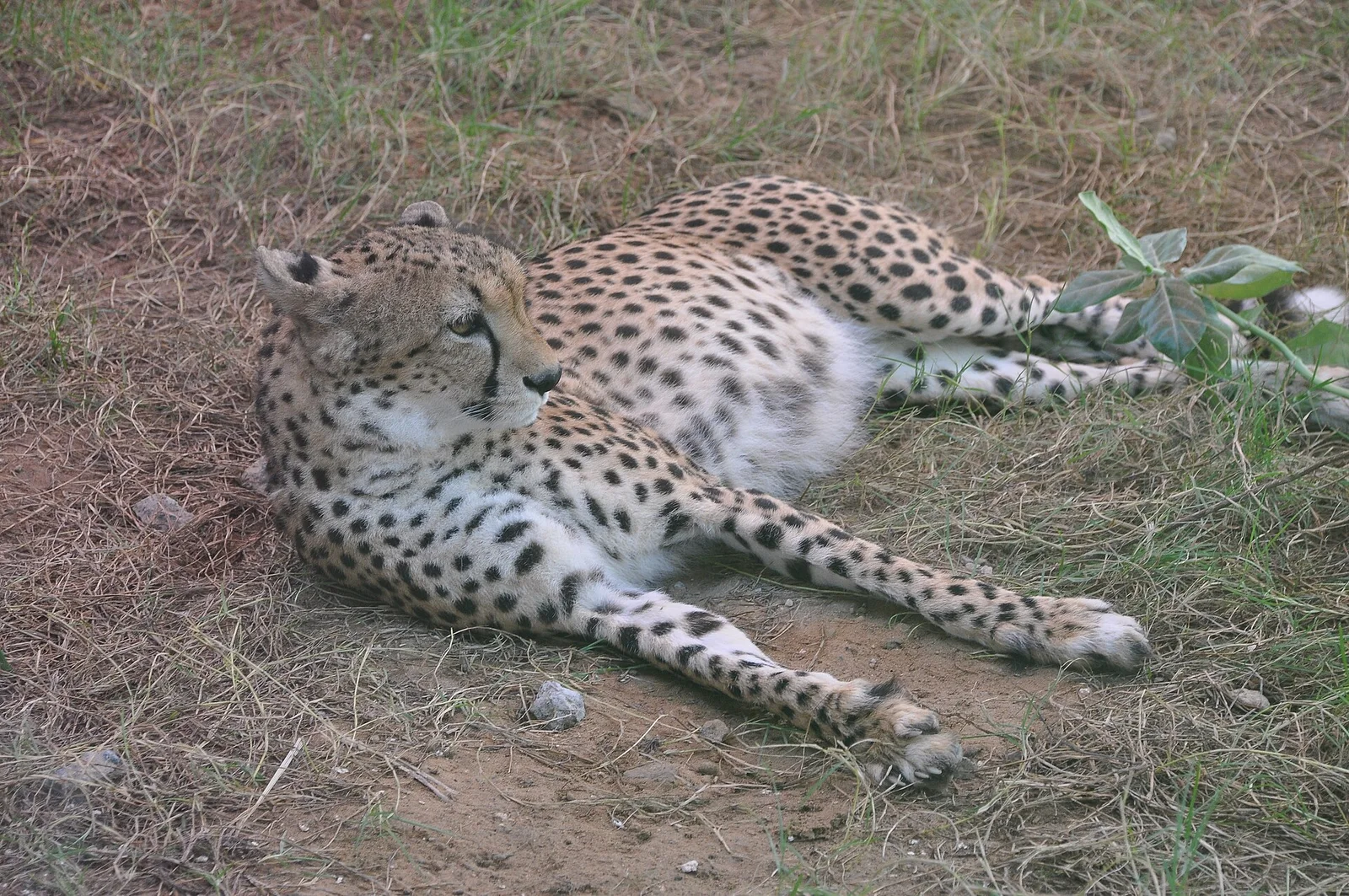
The cheetah is the world's fastest land animal, capable of accelerating from 0 to 100 km/h in just three seconds across open African plains. With semi-retractable cleat-like claws, anti-glare black tear stripes, and a flexible spine, this diurnal hunter relies on unmatched speed and agility rather than brute strength.
Habitat & Range
Once widespread across Africa, the Arabian Peninsula, and into central India, the cheetah today occupies less than 9% of its historical distributional range. Roughly 6,500 wild adults and adolescents survive in fragmented strongholds across southern and eastern Africa—most notably Namibia, Botswana, South Africa, Zimbabwe, Kenya's Maasai Mara, and Tanzania's Serengeti—alongside tiny Saharan relict populations in Algeria and Chad, and fewer than 30 Critically Endangered Asiatic cheetahs (Acinonyx jubatus venaticus) in Iran's central plateau.
How to Identify It
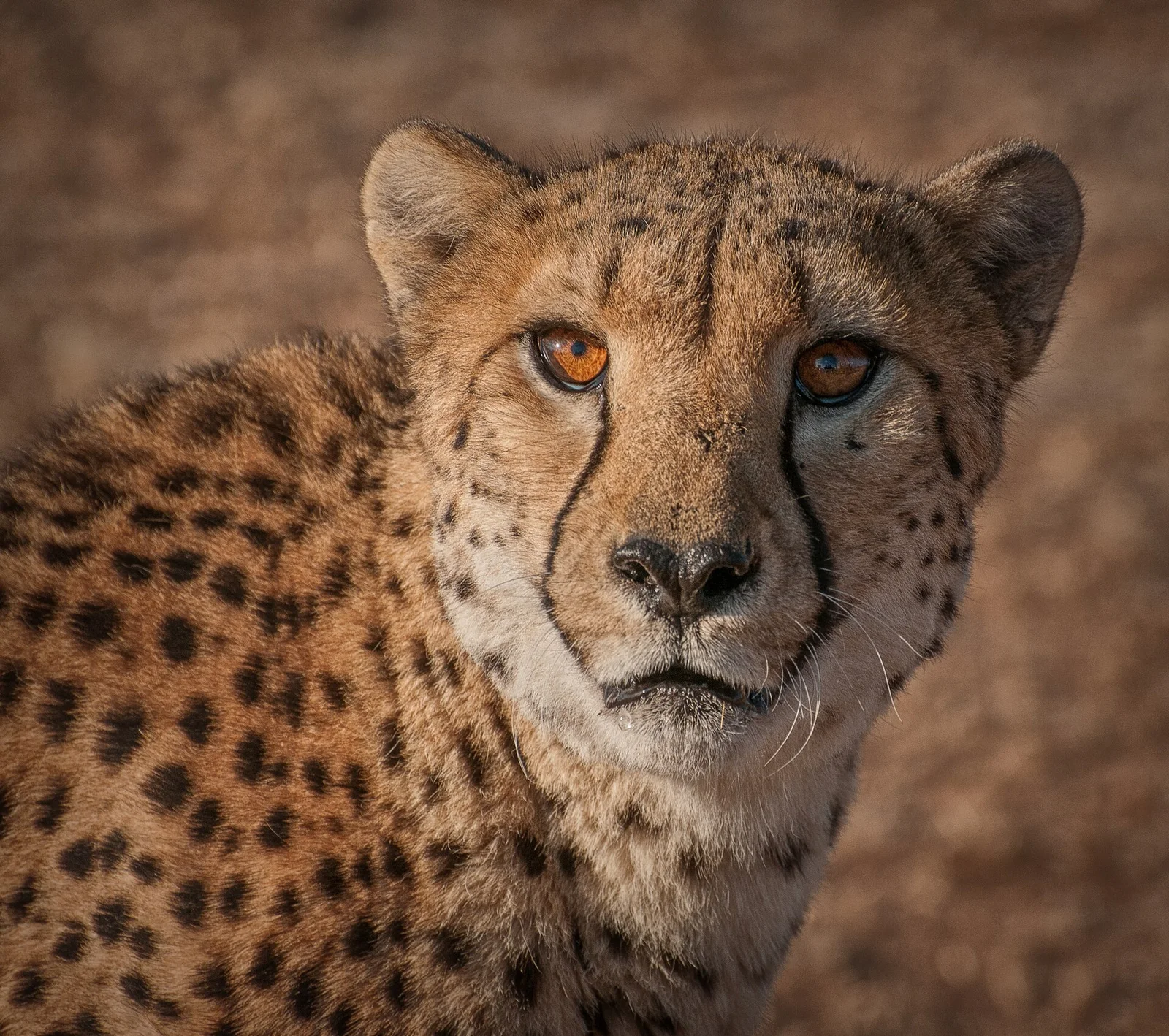
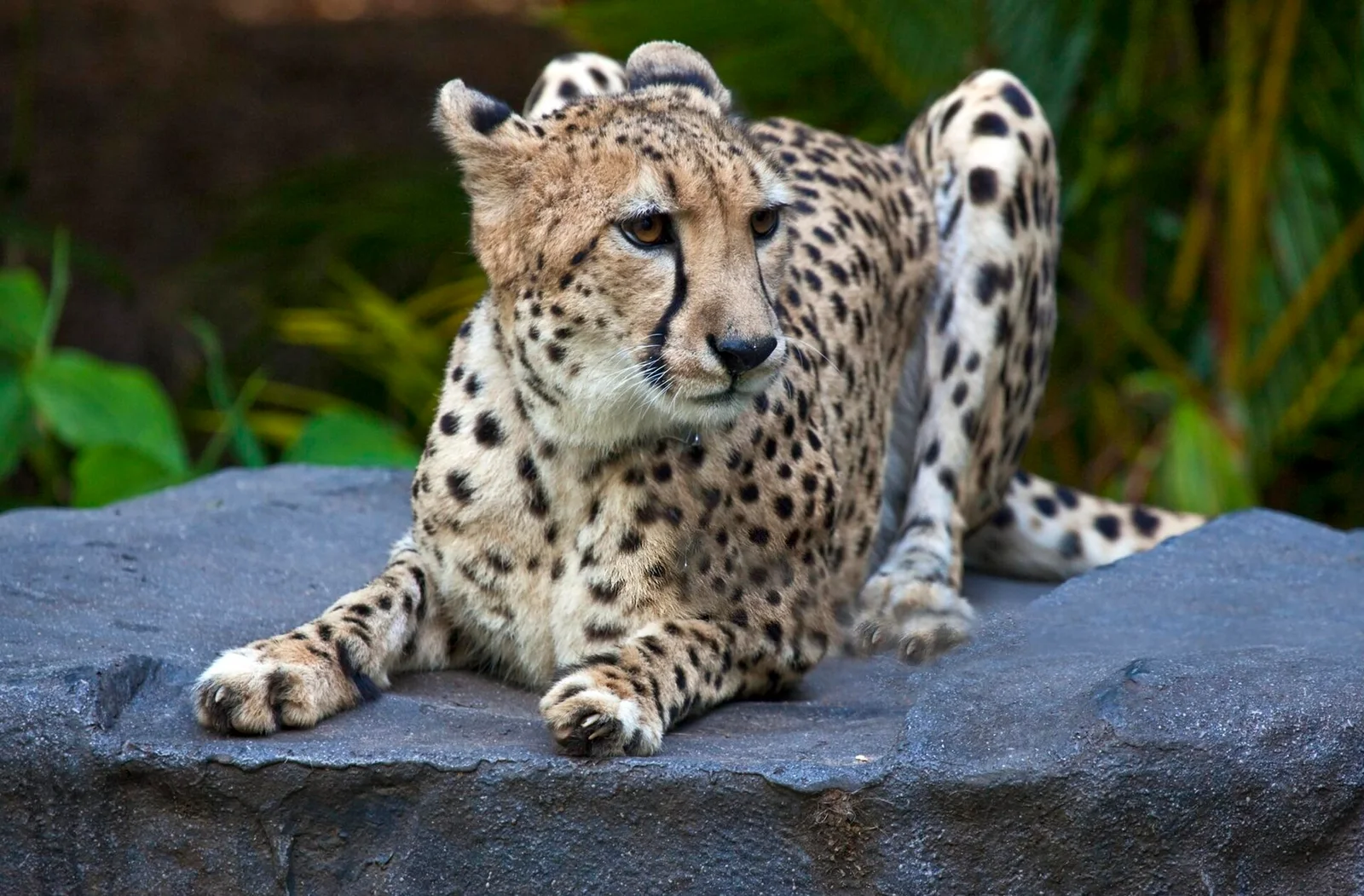
Every inch of the cheetah's anatomy is engineered for explosive high-speed pursuit. It features a small, aerodynamic head, enlarged nasal passages and lungs for rapid oxygen intake, a remarkably flexible spine that acts like a coiled spring, long slender legs, and a muscular 60–80 cm flat-tipped tail that functions as a dynamic rudder during sharp turns. Unlike true big cats of the genus Panthera, the cheetah has semi-retractable, blunt claws that grip the ground like track cleats and tough, ridged paw pads. Its tawny coat is covered in 2,000 to 3,000 solid round black spots (rather than rosettes), complemented by two prominent black 'tear marks' (malar stripes) curving from the inner eyes to the corners of the mouth to reduce harsh midday sun glare.
Diet & Hunting
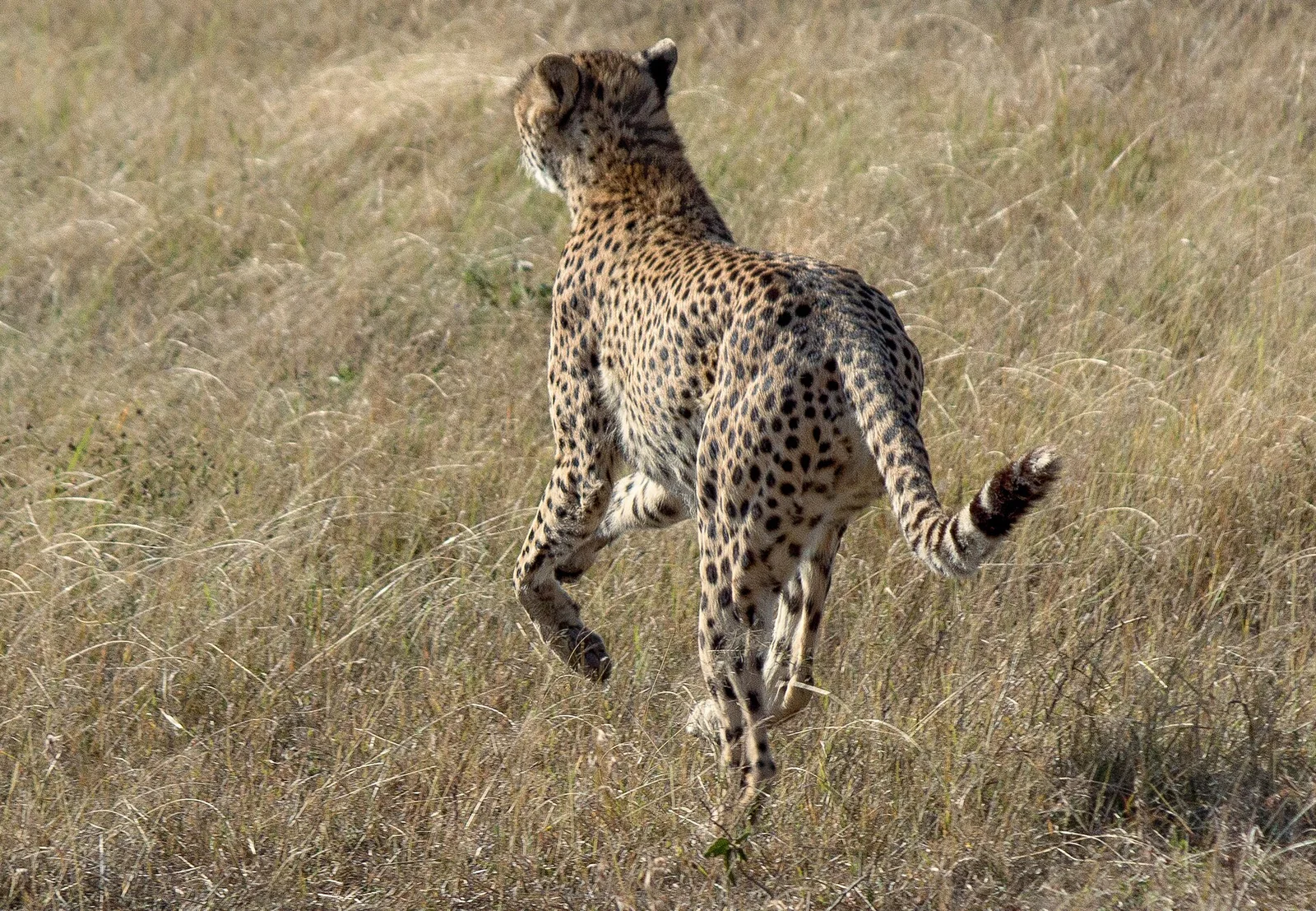
Cheetahs are diurnal pursuit predators specializing in small-to-medium ungulates weighing under 60 kg, including Thomson's and Grant's gazelles, springboks, impalas, steenboks, warthogs, and scrub hares; male coalitions occasionally bring down larger prey such as wildebeest calves, zebras, and ostriches. Stalking within 50 to 100 meters before launching a 20-to-60-second sprint, the cheetah hooks its prey's hind leg with its dewclaw to trip it at full speed, then delivers a suffocating throat bite. Because larger predators easily overpower them, cheetahs eat rapidly before lions, spotted hyenas, or vultures arrive.
Behavior
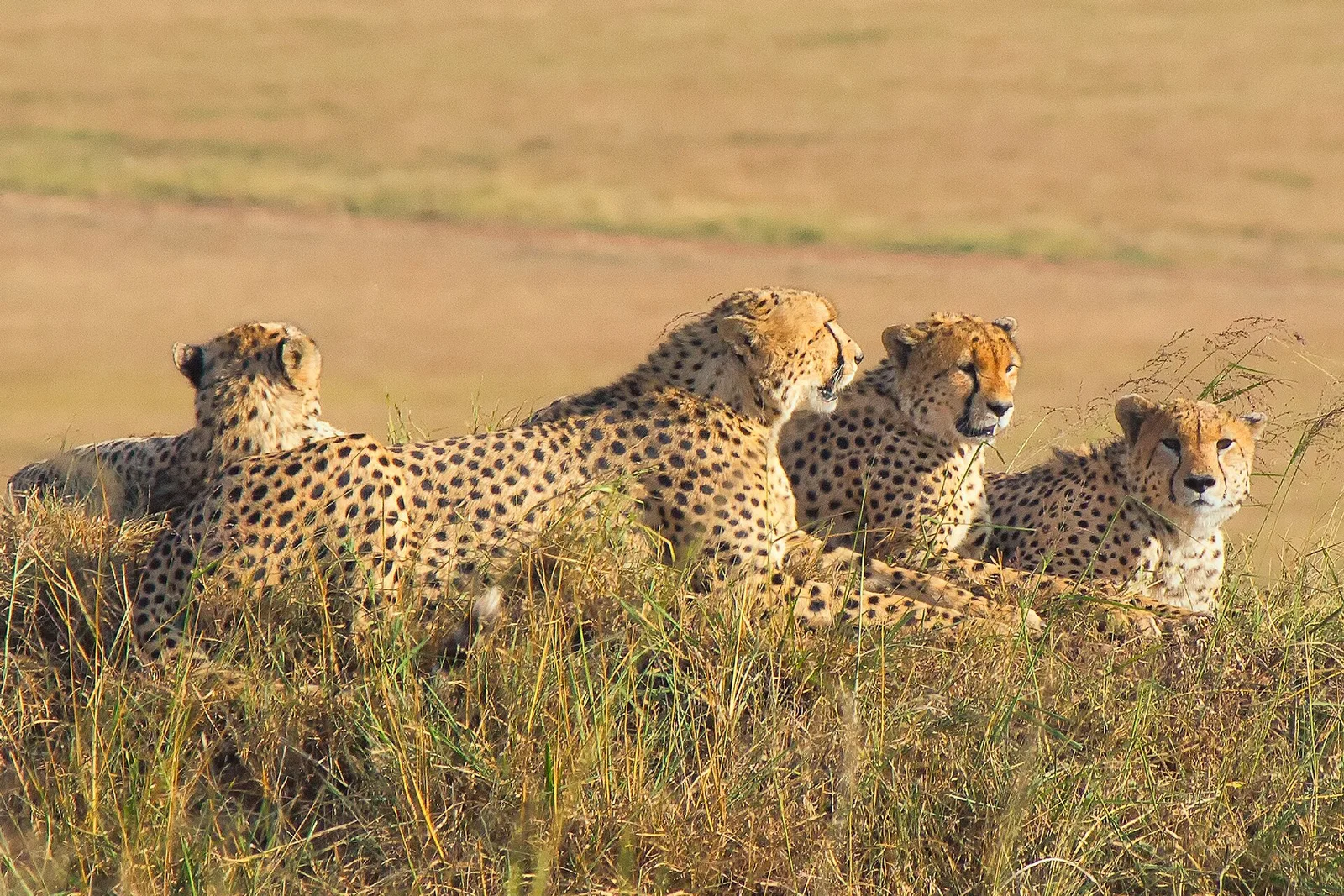
Uniquely among wild felids, cheetahs have a three-part social structure: adult females are solitary except when raising cubs, occupying vast overlapping home ranges up to 800–1,500 km² as they follow migratory gazelles; adult males frequently form lifelong 'coalitions' of two to four brothers (or unrelated males) that cooperatively defend prime territories; and non-territorial solitary males roam widely. Rather than hunting at night when lions and leopards dominate, cheetahs hunt primarily in early morning and late afternoon. They cannot roar; instead, they communicate using bird-like chirps, stutter-calls, purrs, and bleats.
Life Cycle
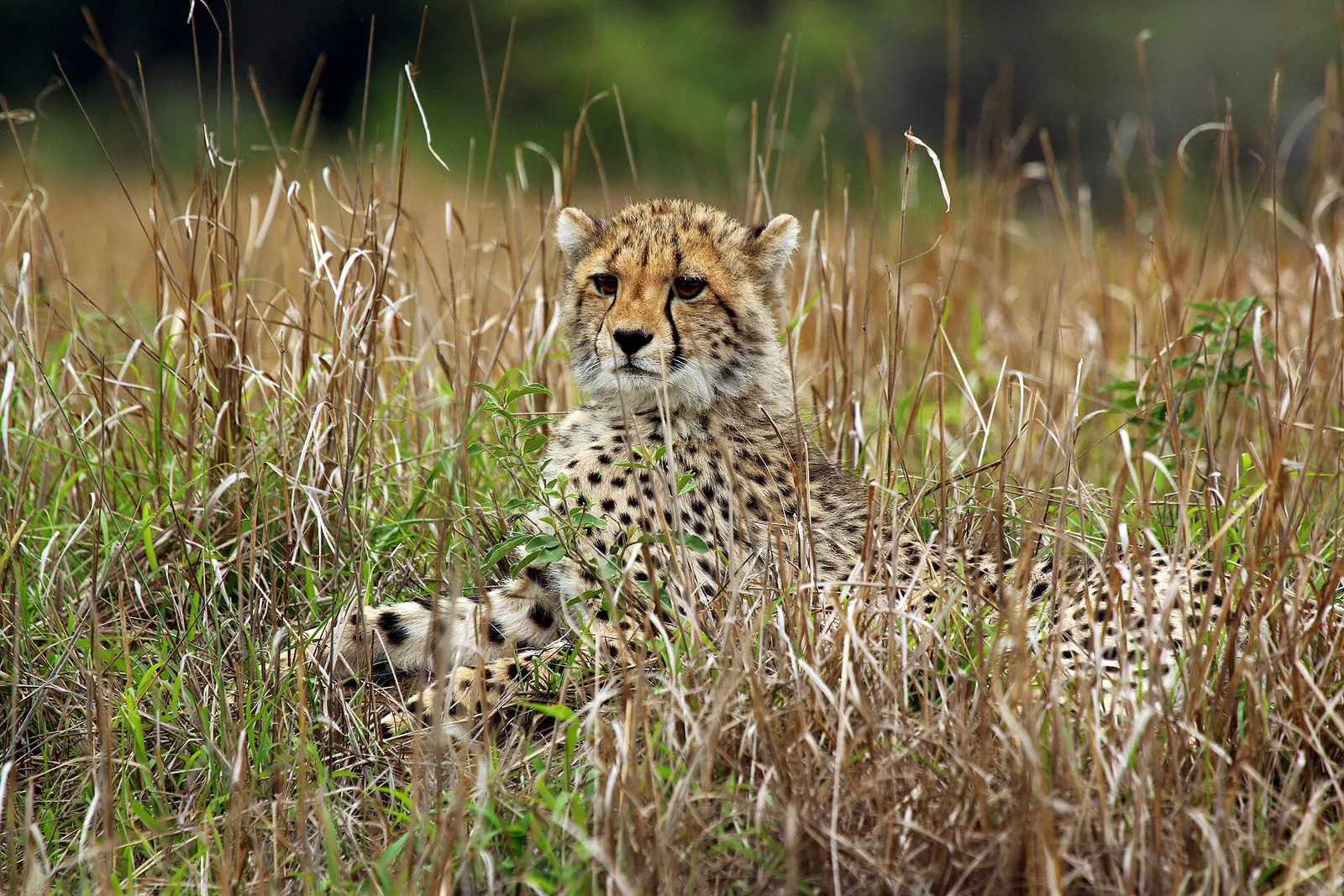
Females reach maturity around two years of age and breed throughout the year. After a gestation of 90 to 95 days, a mother gives birth in tall grass or rocky thickets to a litter of 3 to 5 cubs. Newborn cubs sport a long, silvery-gray mantle of hair along their necks and backs—believed to mimic the aggressive honey badger (Mellivora capensis) and camouflage them in dry grass. Despite moving her litter between dens every few days to hide their scent, cub mortality in open ecosystems like the Serengeti can reach 70% to 90% due to predation by lions and hyenas. Surviving cubs stay with their mother for 18 to 20 months to master high-speed hunting.
Role in the Ecosystem
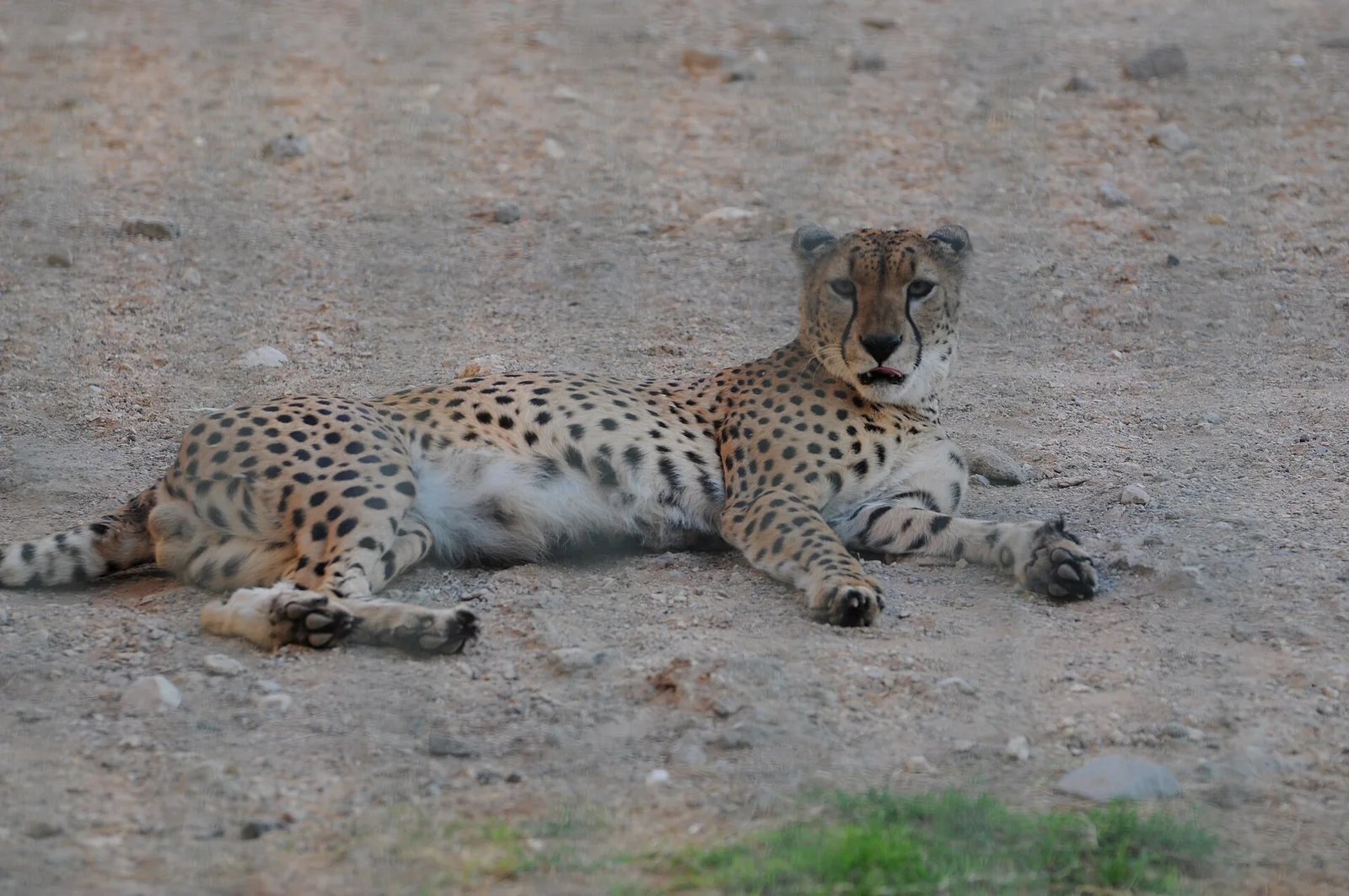
As a specialized diurnal cursorial predator, the cheetah occupies an ecological niche distinct from nocturnal ambush hunters like leopards and lions. Its high-speed chases weed out slower or less vigilant individuals among gazelle, impala, and springbok herds, maintaining ungulate fitness and preventing overgrazing on semi-arid grasslands. Additionally, the roughly 10% to 15% of cheetah kills abandoned to kleptoparasitism provide a critical food subsidy for vultures, jackals, hyenas, and savanna scavengers.
Conservation Outlook
Listed as Vulnerable (VU) globally on the IUCN Red List—with the Asiatic and Northwest African subspecies Critically Endangered (CR)—the cheetah faces severe pressures because over 75% of its remaining wild population lives outside fenced protected areas on commercial and communal livestock lands. Key threats include habitat fragmentation, human-wildlife conflict with ranchers, illegal trafficking of live cubs to the exotic pet trade in the Gulf region, high cub predation inside lion-dense parks, and exceptionally low genetic diversity from ancient population bottlenecks. Conservation programs led by the Cheetah Conservation Fund (CCF) in Namibia, livestock-guarding Anatolian shepherd dog initiatives, and transboundary reintroductions in southern Africa and India are central to securing its future.
Key Takeaways
- 1
A cheetah can accelerate from 0 to 100 km/h (62 mph) in just 3 seconds—faster than most sports cars.
- 2
At top speed, a cheetah's stride stretches up to 7 meters (23 feet), with more than half the sprint spent airborne.
- 3
Unlike roaring big cats, cheetahs communicate with high-pitched bird-like chirps that can be heard a kilometer away, and they purr loudly.