Home
Amur Tiger
EN - Endangered

Amur Tiger

Panthera tigris altaica

The cold-forest apex predator of the Russian Far East

Quick Read

Felidae
IUCN statusEndangered (EN)
PopulationAbout 500-600 wild individuals in the Russian Far East and northeastern China
Primary habitatTemperate broadleaf, mixed, and conifer forests of the Amur region
Scientific namePanthera tigris altaica
SizeAbout 2.7-3.3 m including tail
WeightRoughly 100-300 kg
Lifespan10-15 years in the wild
DietWild boar, red deer, sika deer, roe deer, and other mammals
ActivityMostly crepuscular and nocturnal

Overview

Amur Tiger - Wild context
Wild contextOverviewA clear field view of the animal inside its primary habitat.

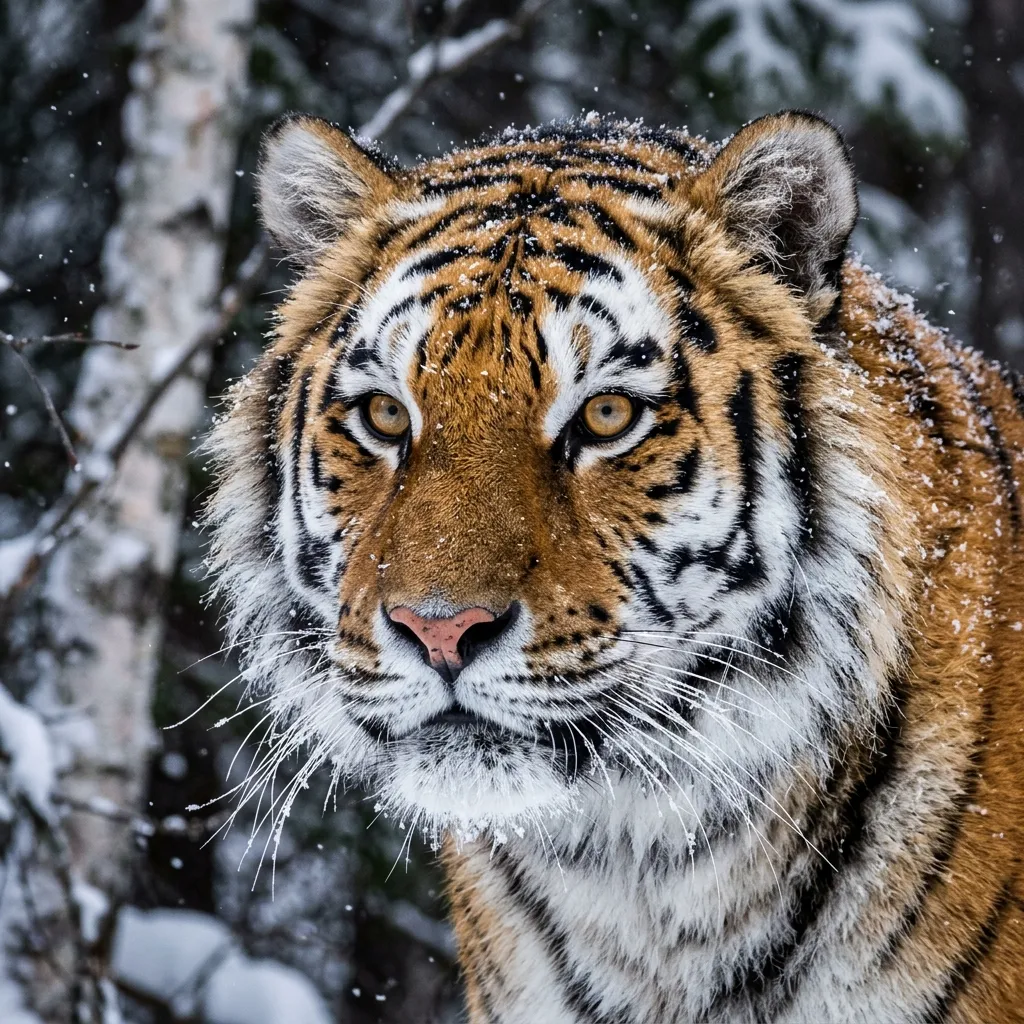
The Amur tiger, often called the Siberian tiger, is a powerful northern tiger adapted to snow, cold forests, and huge territories. It depends on healthy prey populations and connected forest corridors across Russia and China.

Habitat & Range

Amur Tiger Range Map
Range mapTemperate broadleaf, mixed, and conifer forests of the Amur regionCore habitat and movement zones shown as a simplified wildlife range map.

The Amur tiger survives mainly in the temperate forests of the Russian Far East, with a growing cross-border presence in northeastern China. Its range is a cold landscape of mixed broadleaf, conifer, mountain, and river-valley forest.

How to Identify It

Amur Tiger - Identification view
Identification viewHow to Identify ItBody shape, coat, markings, antlers, or other field marks made easy to compare.

This is the largest northern tiger form, with a heavy body, thick winter coat, pale orange fur, and widely spaced black stripes. Broad paws help distribute weight on snow, while the long tail assists balance in steep terrain.

Diet & Hunting
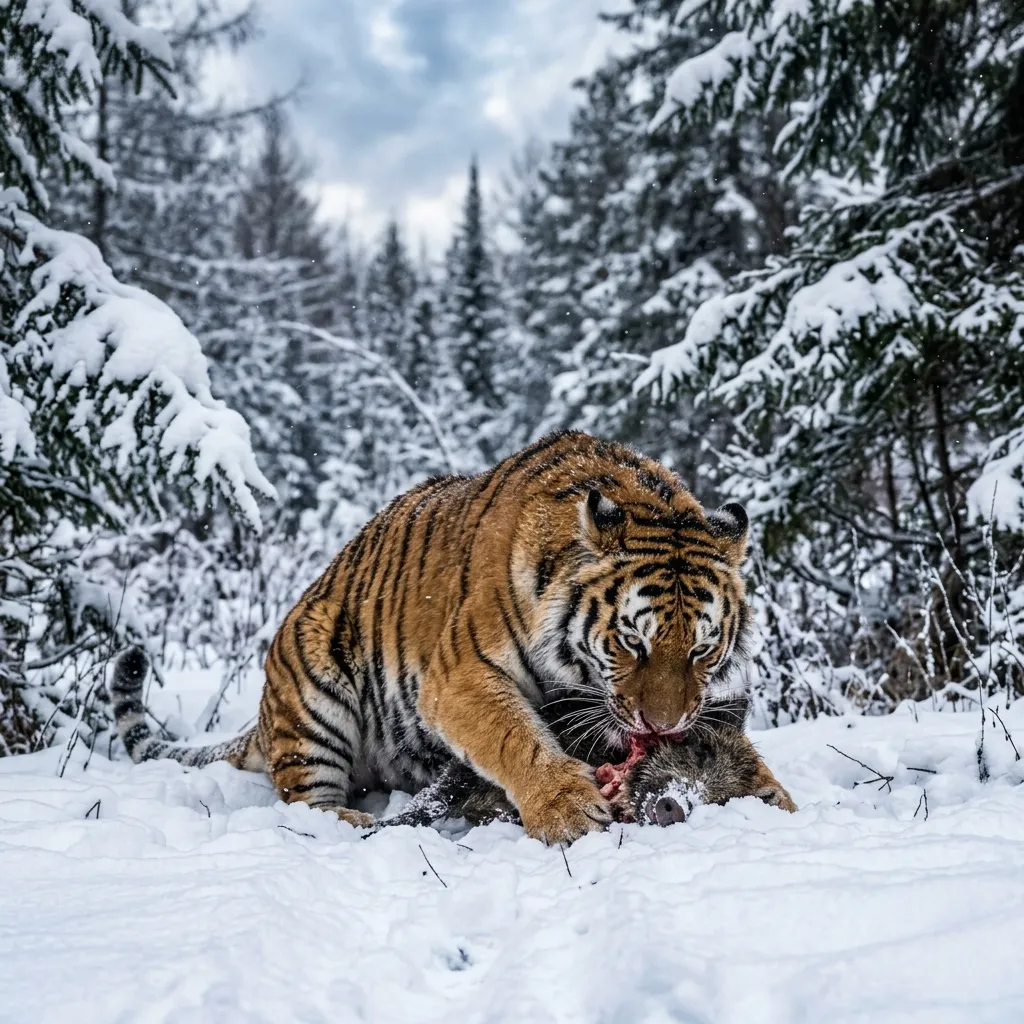
Amur Tiger - Feeding and hunting
Feeding and huntingDiet & HuntingFood sources, hunting behavior, or browsing scenes matched to the story context.

Amur tigers depend on large ungulates, especially wild boar and deer. A tiger may travel long distances between kills, using forest cover, snow tracks, and night movement to approach prey without being detected.

Behavior
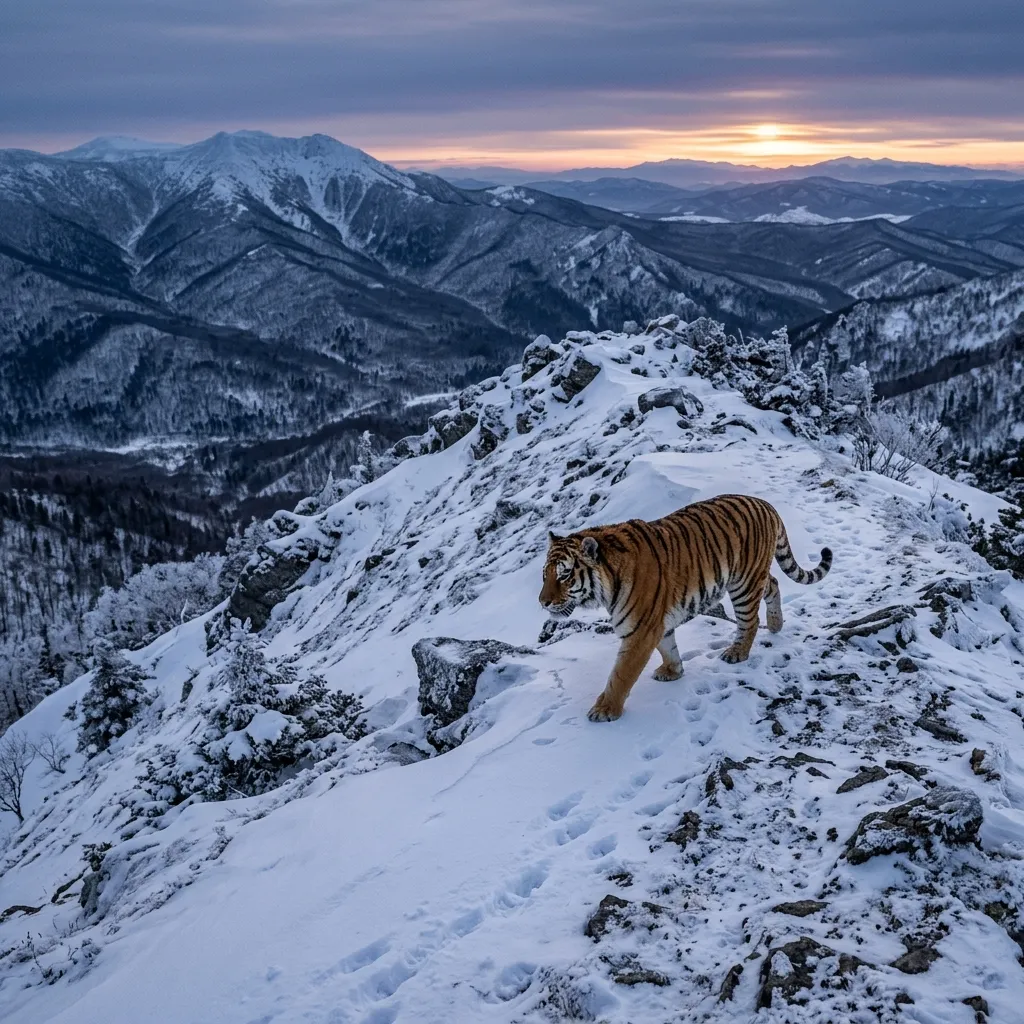
Amur Tiger - Behavior in the field
Behavior in the fieldBehaviorMovement, daily activity, social behavior, and seasonal routines.

Adults are solitary and territorial. They mark trails with scent and scratches, follow ridgelines and river corridors, and need very large home ranges because prey density in cold forests is lower than in tropical tiger habitats.

Life Cycle
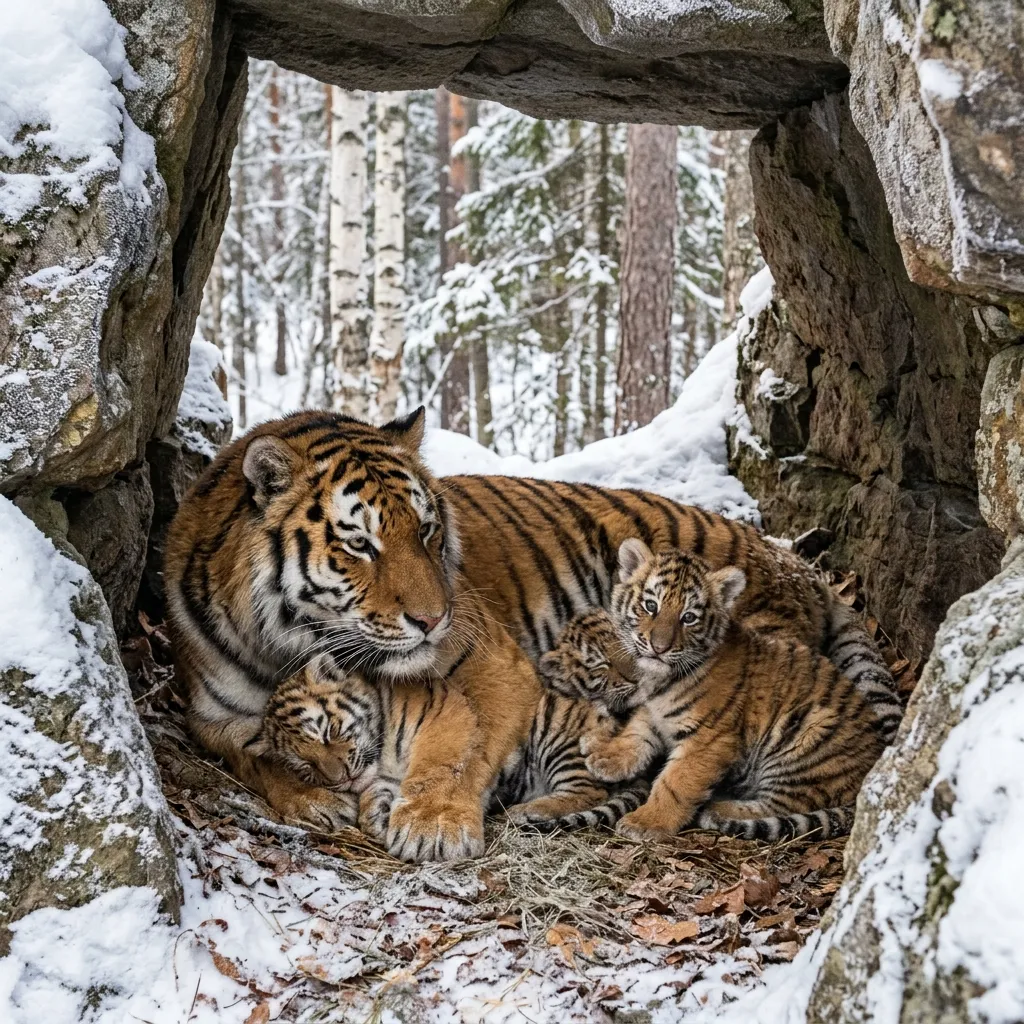
Amur Tiger - Life cycle
Life cycleLife CycleBreeding season, young animals, denning, nesting, or family care context.

Females give birth in sheltered dens and raise cubs alone for many months. Young tigers must learn to track prey, avoid people, and eventually disperse through forest corridors to establish their own territories.

Role in the Ecosystem
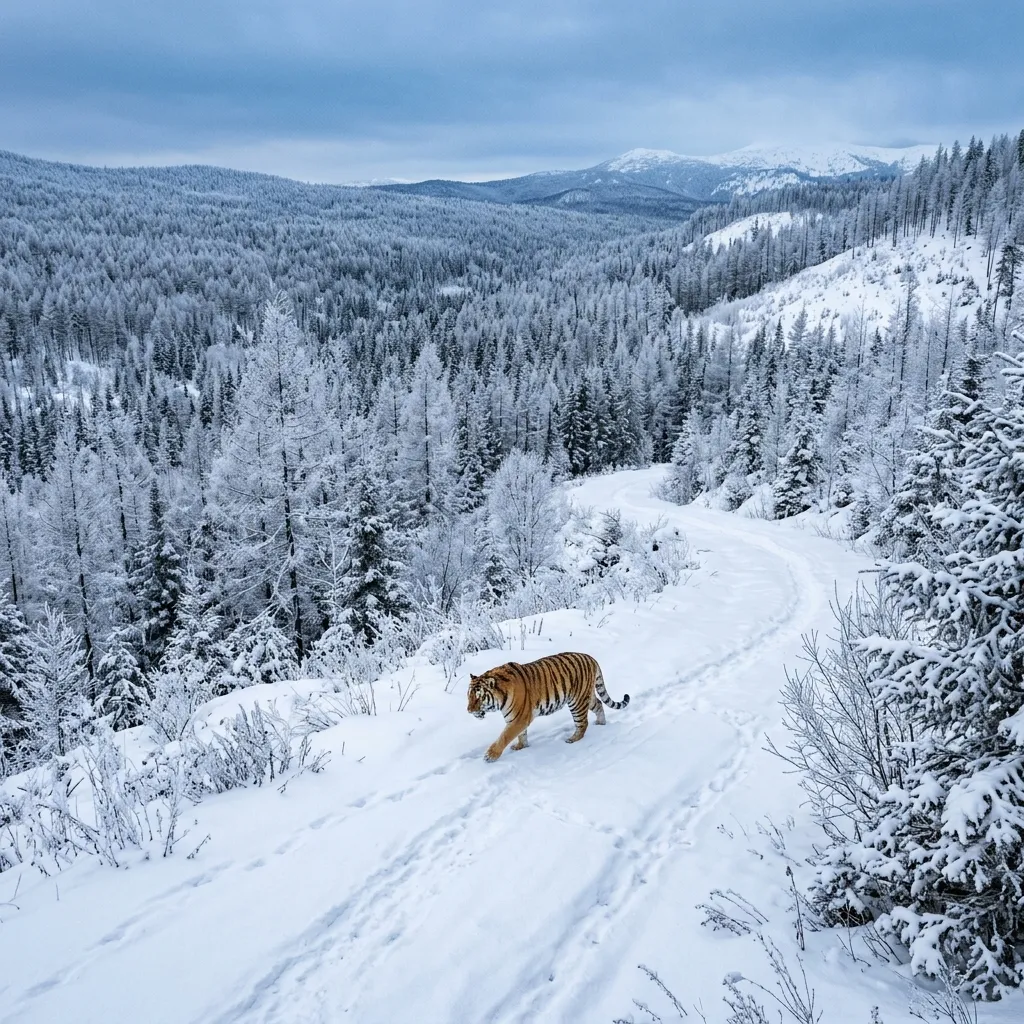
Amur Tiger - Ecological role
Ecological roleRole in the EcosystemHow the species connects plants, prey, predators, scavengers, and habitat health.

As an apex predator, the Amur tiger helps regulate deer and boar populations and acts as an umbrella species: protecting enough forest for tigers also protects many birds, mammals, plants, and river systems.

Conservation Outlook
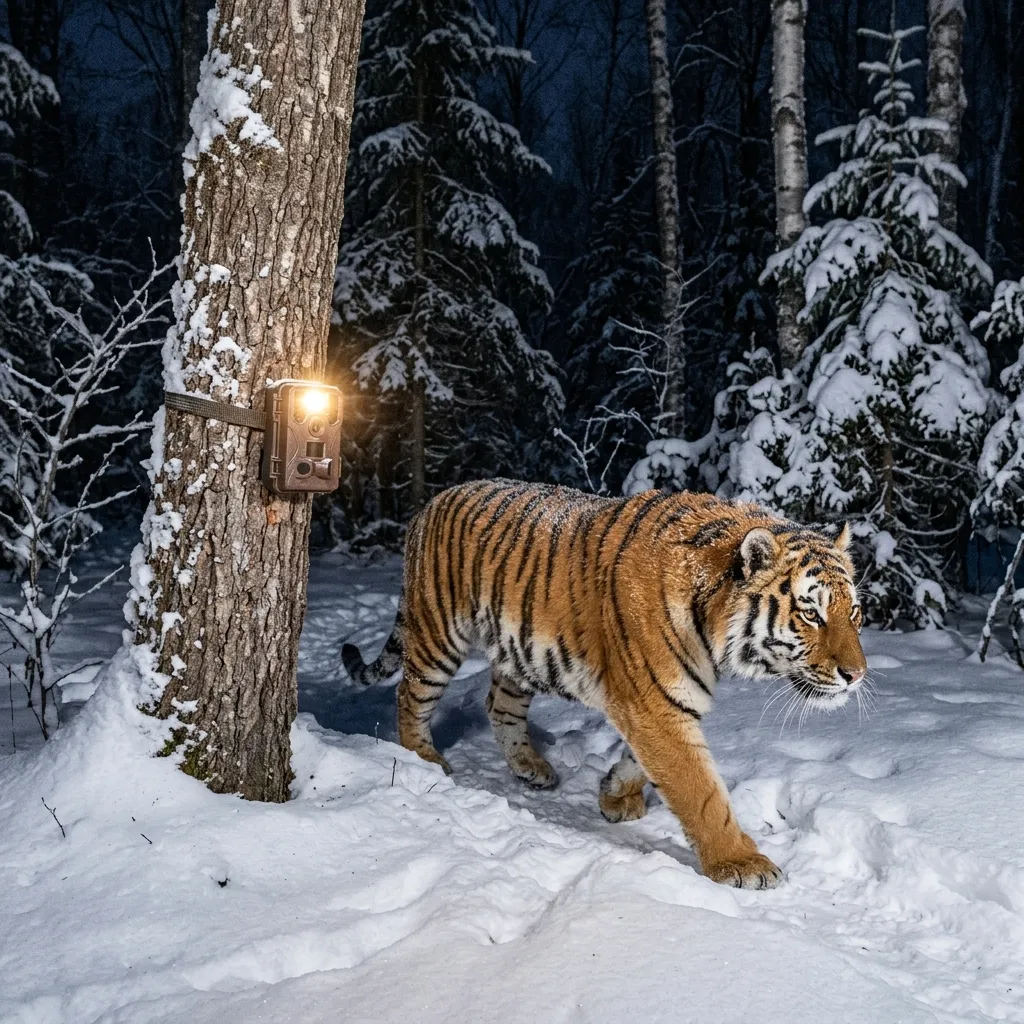
Amur Tiger - Conservation field note
Conservation field noteConservation OutlookThreats, monitoring, habitat protection, and recovery work in the real landscape.

Recovery depends on anti-poaching patrols, prey restoration, connected habitat, cross-border cooperation, and reducing road and livestock conflict. Even small losses matter because the wild population remains limited.

Key Takeaways

  • 1

    Amur tigers need some of the largest territories of any tiger population.

  • 2

    Their thick winter coat and fat layer help them survive severe cold.

  • 3

    Camera traps and snow-track surveys are essential for monitoring wild individuals.

Taxonomy

ClassMammalia
FamilyFelidae
GenusPanthera
Speciestigris altaica

Geographical Range

Temperate broadleaf, mixed, and conifer forests of the Amur region

The Amur tiger survives mainly in the temperate forests of the Russian Far East, with a growing cross-border presence in northeastern China. Its range is a cold landscape of mixed broadleaf, conifer, mountain, and river-valley forest.

Watch Video Explainer

Video production pending

English explainer video is scheduled for render via admin dashboard.

References & Citations

References are used as editorial source notes for the species profile.