Home
African Savanna Elephant
EN - Endangered

African Savanna Elephant

Loxodonta africana

The giant ecosystem engineer of Africa's open landscapes

Quick Read

Elephantidae
IUCN statusEndangered (EN)
PopulationAbout 400,000 African elephants remain across the continent, mostly savanna elephants
Primary habitatSavannas, open woodlands, floodplains, and dry bushlands of sub-Saharan Africa
Scientific nameLoxodonta africana
SizeUp to about 3-4 m at the shoulder
WeightRoughly 2,700-6,000 kg
Lifespan60-70 years in the wild
DietGrasses, bark, leaves, fruit, roots, and shrubs
ActivityActive by day and night, often moving with water and heat

Overview

African Savanna Elephant - Wild context
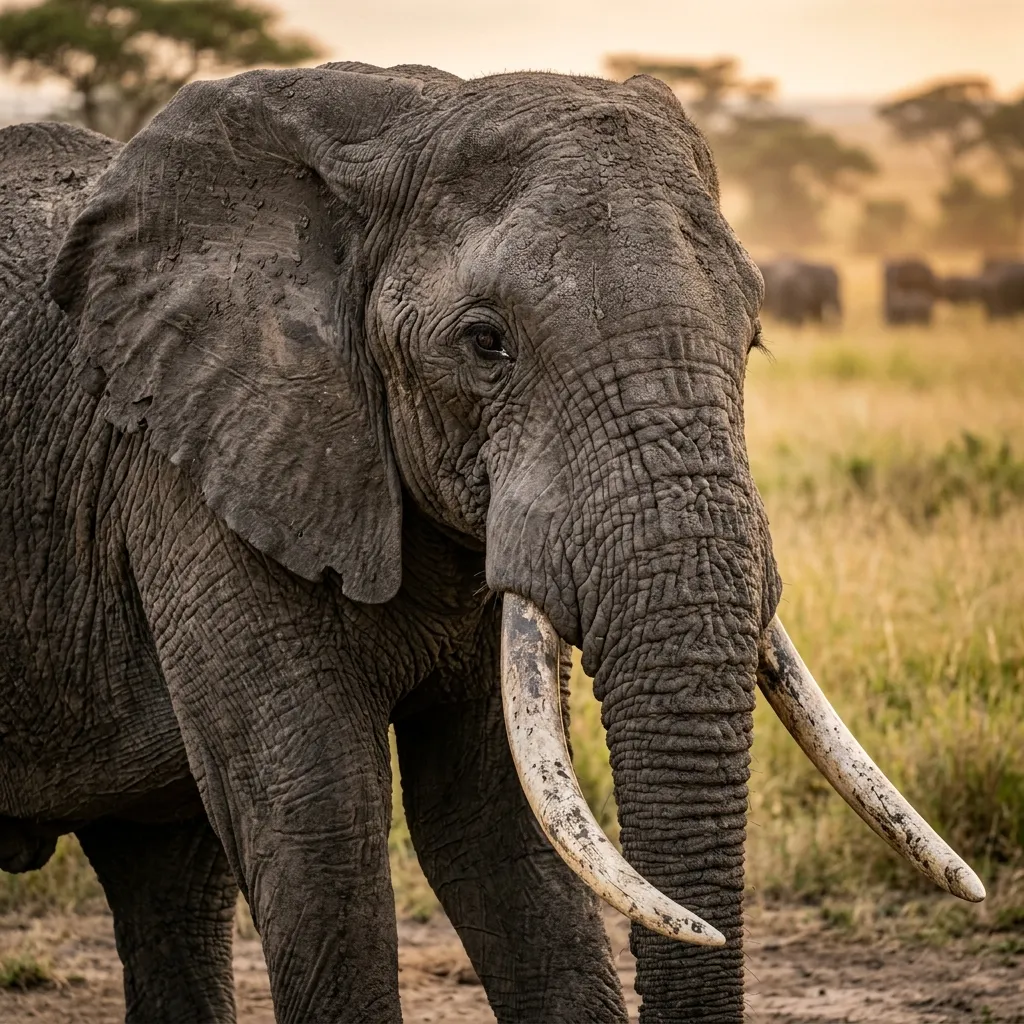
Wild contextOverviewA clear field view of the animal inside its primary habitat.

The African savanna elephant is the largest living land animal and a keystone species of open African landscapes. Its memory, social bonds, trunk dexterity, and landscape-shaping movement make it one of the most influential animals on Earth.

Habitat & Range

African Savanna Elephant Range Map
Range mapSavannas, open woodlands, floodplains, and dry bushlands of sub-Saharan AfricaCore habitat and movement zones shown as a simplified wildlife range map.

African savanna elephants range across parts of sub-Saharan Africa, with strongholds in southern and eastern Africa. They move through grasslands, open woodland, floodplains, dry bush, and desert-edge ecosystems where water access shapes seasonal movement.

How to Identify It

African Savanna Elephant - Identification view
Identification viewHow to Identify ItBody shape, coat, markings, antlers, or other field marks made easy to compare.

They are the largest land animals on Earth, with huge ears, a long muscular trunk, column-like legs, and tusks that can be used for digging, debarking trees, defense, and social display.

Diet & Hunting
African Savanna Elephant - Feeding and hunting
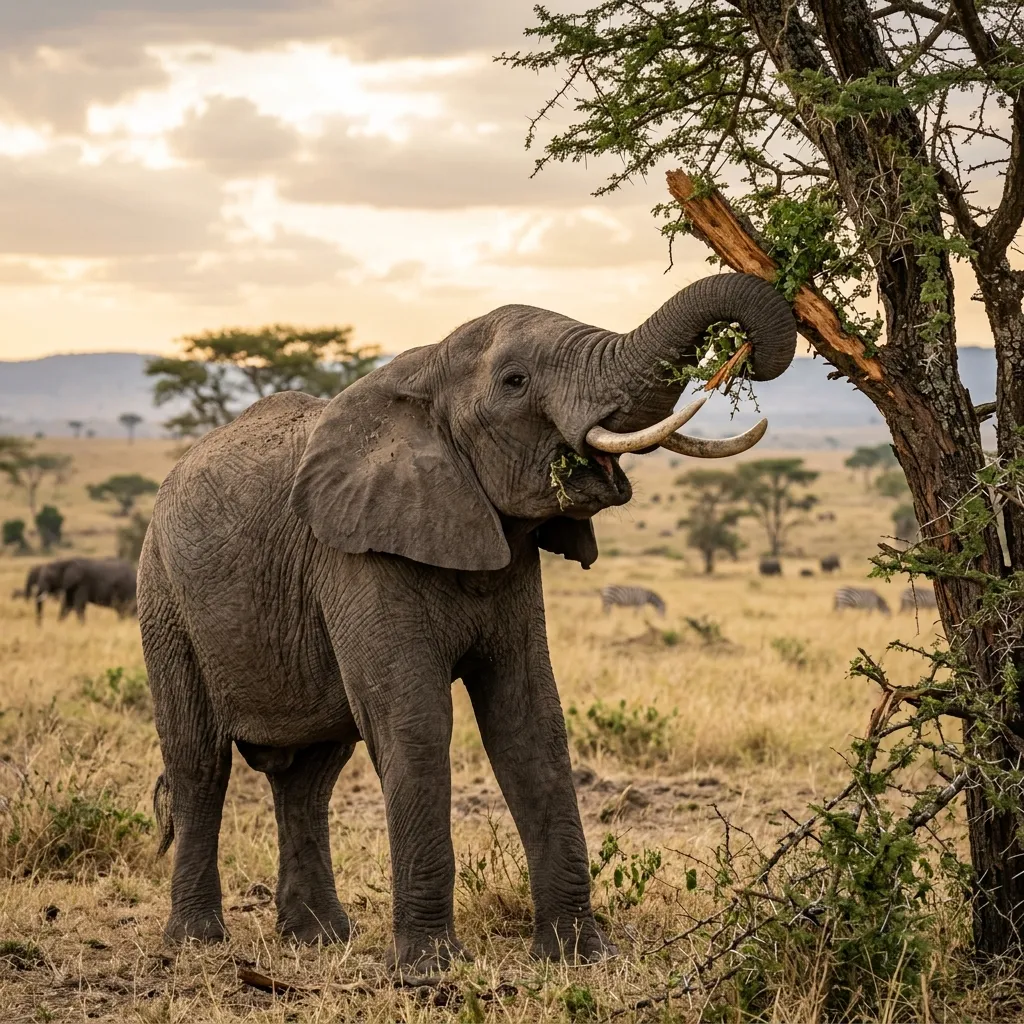
Feeding and huntingDiet & HuntingFood sources, hunting behavior, or browsing scenes matched to the story context.

Savanna elephants are flexible herbivores. They graze grasses during wet seasons and browse woody plants, bark, roots, fruit, and shrubs during drier periods, often changing the structure of vegetation as they feed.

Behavior
African Savanna Elephant - Behavior in the field
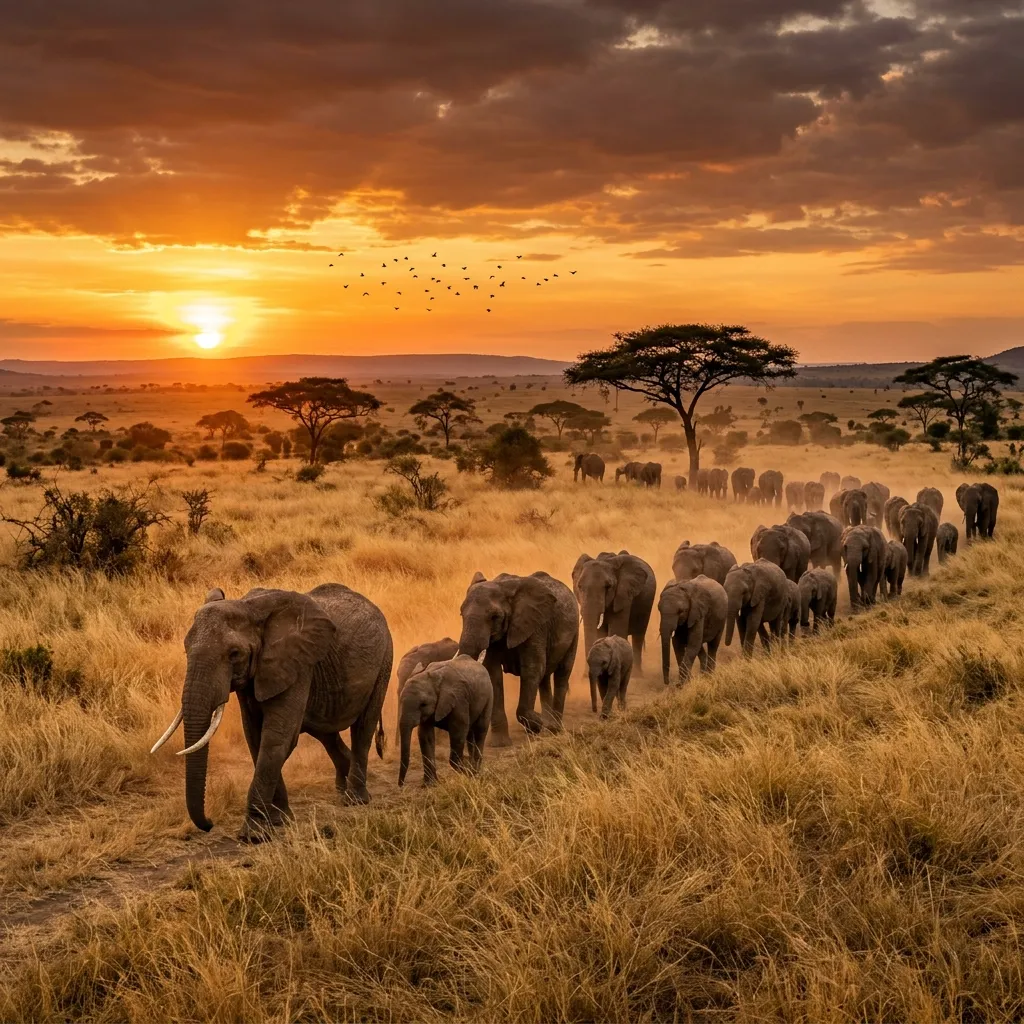
Behavior in the fieldBehaviorMovement, daily activity, social behavior, and seasonal routines.

Females and calves live in matriarch-led family groups that remember water, migration routes, and danger. Adult males often roam alone or in loose groups, especially outside breeding periods.

Life Cycle
African Savanna Elephant - Life cycle
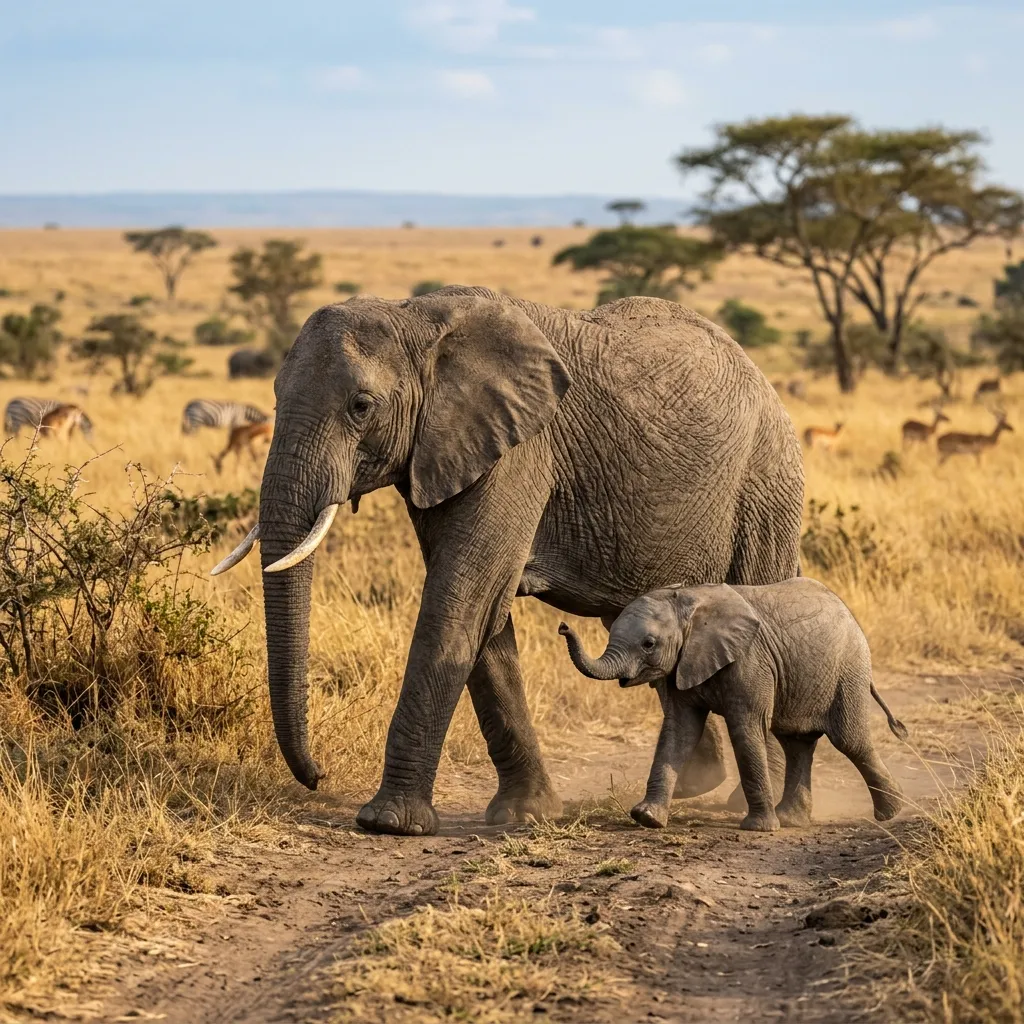
Life cycleLife CycleBreeding season, young animals, denning, nesting, or family care context.

Elephants have one of the longest pregnancies of any mammal, lasting nearly two years. Calves rely on milk, protection, and social learning from felines, sisters, aunts, and grandmothers for many years.

Role in the Ecosystem
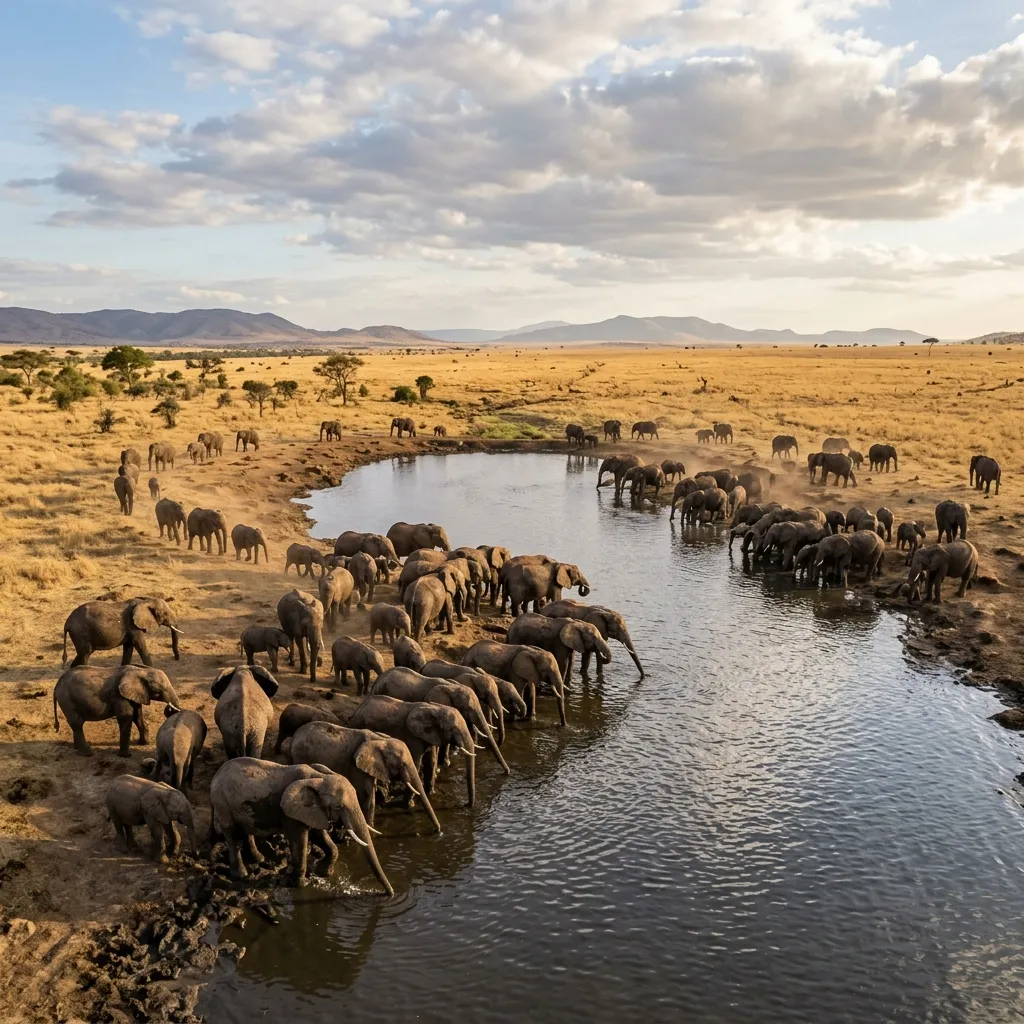
African Savanna Elephant - Ecological role
Ecological roleRole in the EcosystemHow the species connects plants, prey, predators, scavengers, and habitat health.

Elephants are ecosystem engineers. By opening woodland, dispersing seeds, digging for water, and creating paths, they shape habitats used by antelope, birds, insects, reptiles, and many plant species.

Conservation Outlook
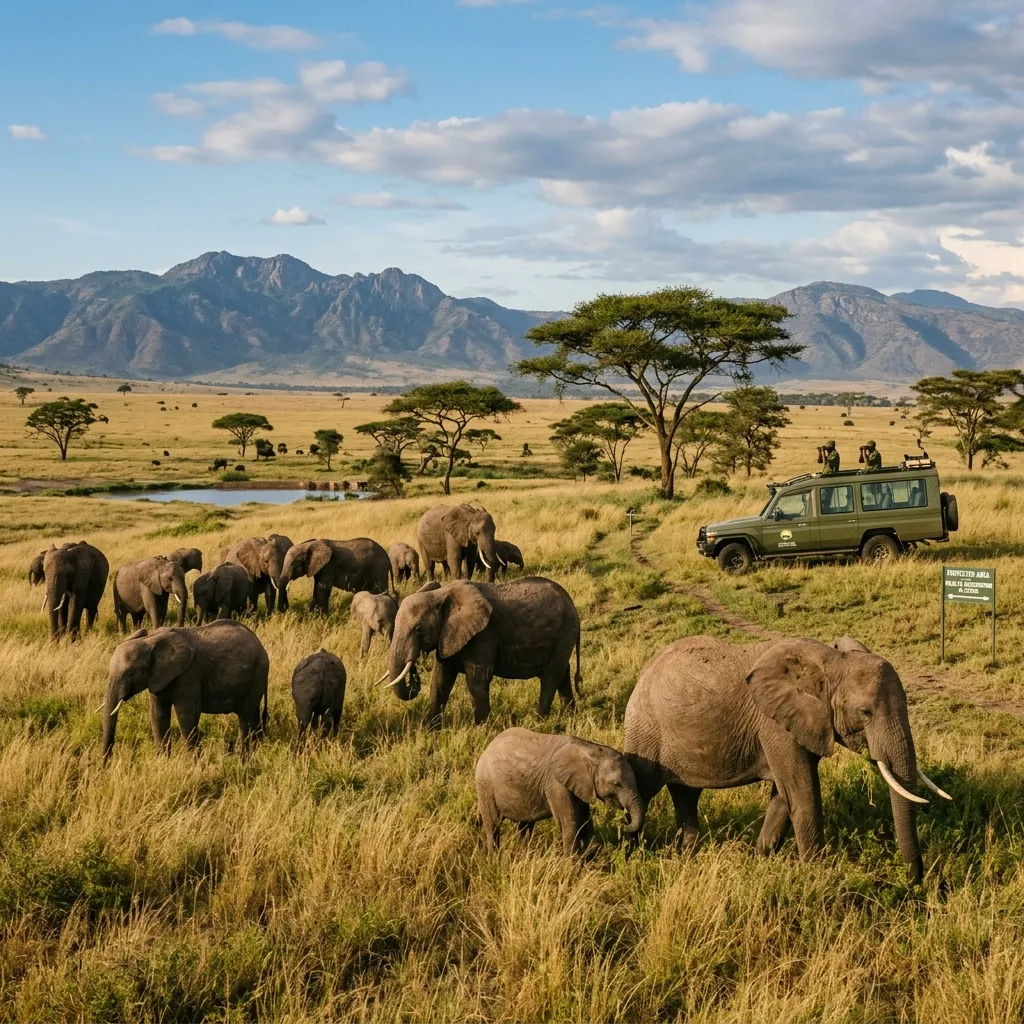
African Savanna Elephant - Conservation field note
Conservation field noteConservation OutlookThreats, monitoring, habitat protection, and recovery work in the real landscape.

The species is listed as Endangered after decades of decline from ivory poaching and habitat loss. Conservation depends on anti-poaching work, connected landscapes, water planning, coexistence with farmers, and reducing illegal ivory demand.

Key Takeaways

  • 1

    An elephant trunk contains tens of thousands of muscle units and can lift, smell, drink, touch, and communicate.

  • 2

    Matriarchs can remember water sources and movement routes across many years.

  • 3

    Elephants disperse seeds over long distances through their dung.

Taxonomy

ClassMammalia
FamilyElephantidae
GenusLoxodonta
Speciesafricana

Geographical Range

Savannas, open woodlands, floodplains, and dry bushlands of sub-Saharan Africa

African savanna elephants range across parts of sub-Saharan Africa, with strongholds in southern and eastern Africa. They move through grasslands, open woodland, floodplains, dry bush, and desert-edge ecosystems where water access shapes seasonal movement.

Watch Video Explainer

Video production pending

English explainer video is scheduled for render via admin dashboard.